

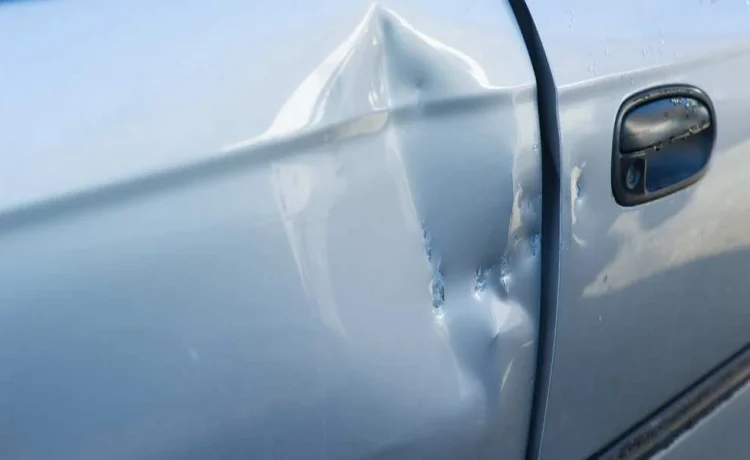
A clean vehicle can lose its polished look quickly after minor impacts. Door dings, parking dents, and shallow creases often distract from otherwise pristine bodywork. Professional repair restores smooth contours without unnecessary replacement work. For owners seeking dependable craftsmanship, dent repair at Mike Calvert Collision offers an example of focused collision repair expertise. Proper assessment, precise reshaping, and careful finishing help preserve both appearance and value.
Precision Repair Protects Original Body Lines
Small dents can distort surrounding panels more than expected. Skilled technicians inspect the damage from several angles first. Paint condition also determines which repair method works best.
-
Technicians measure dent depth before reshaping.
-
Original panel contours receive careful attention.
-
Paint integrity guides repair technique selection.
-
Final polishing removes minor surface imperfections.
Preserving factory contours creates a more natural result.
Modern Techniques Create Cleaner Results
Paintless dent repair can restore shallow damage efficiently. Specialized rods access panel areas behind affected surfaces. Controlled pressure gradually returns metal toward its original shape.
For suitable damage, Mike Calvert Collisio applies repair thinking centered on accuracy and finish quality. Paintless methods also preserve factory paint when surface coating remains intact. However, deeper damage may require conventional refinishing.
Which Dents Suit Professional Restoration?
Repair suitability depends on location, depth, metal condition, and paint damage. A technician evaluates each factor before recommending treatment.
-
Shallow parking dents often respond well.
-
Door-edge creases need precise manipulation.
-
Deep impacts may require refinishing.
-
Cracked paint changes the repair approach.
Accurate evaluation keeps repair expectations realistic.
Finishing Work Defines The Final Appearance
Reshaping metal represents only part of quality restoration. Surface inspection follows every adjustment. Lighting reveals subtle ripples that ordinary viewing can miss.
Technicians may polish repaired areas after correction. Color matching becomes essential when refinishing cannot be avoided. Careful blending helps adjacent panels maintain consistent visual depth.
Factory Details Deserve Careful Preservation
A repaired door should retain its original character. Panel gaps, body lines, and reflections all influence perceived quality. Even a small alignment error can stand out under bright lighting.
Professional restoration therefore treats appearance as a technical measurement. The strongest result is often the one that leaves no obvious repair signature. A smooth door edge can make the entire vehicle feel better maintained.
FAQs
Can small door dings be repaired without repainting?
Yes, suitable shallow dents can often receive paintless dent repair. Paint condition and dent location determine suitability.
Does dent repair affect resale appeal?
Quality restoration can preserve a cleaner exterior and stronger presentation. Proper workmanship also helps maintain original panel finishes.
How are deeper dents repaired?
Technicians may reshape damaged metal before applying filler and paint. The selected process depends on depth and surface condition.
Why inspect dents under different lighting?
Different angles reveal ripples and uneven contours more clearly. Detailed inspection helps technicians achieve a smoother final surface.
A Straight Door Edge Changes Perception
A corrected door edge can influence the vehicle’s entire presentation. Earlier, lighting revealed how tiny ripples affect visual depth. That detail carries a broader lesson: exterior quality depends on precision at small scales, not merely dramatic restoration work.