

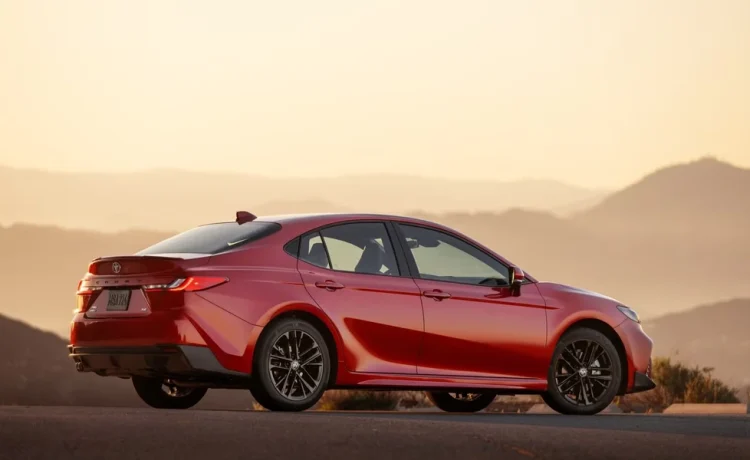
Seventy bucks a month. That’s usually the gap between walking out happy and spending three years quietly annoyed at your own driveway. I’ve watched a lot of people sign for the wrong trim, and it almost never comes down to money. It comes down to buying the badge they think they should want instead of the car they’ll actually drive on a Tuesday.
Here’s the deal: modern sedans are sold in four or five flavors of the same machine, and the differences between them are smaller than the price tags suggest. Some of those differences will matter to you every single day. Most won’t matter at all. This guide separates the two, walks through the decision in the order that actually matters, and gives you a test you can run in about twenty minutes before you sign anything.
Drivetrain first, everything else second
Before you look at a single feature list, decide how many wheels you want doing the work. Front-wheel drive handles the vast majority of driving conditions in the country just fine. All-wheel drive earns its keep when you regularly deal with rain-slicked highways, gravel roads, or mountain passes in winter.
My honest take: if you live somewhere it snows and you’re not committed to swapping on winter tires every November, pay for all-wheel drive and skip the panoramic roof. Traction in a downpour is worth more than ambient lighting. The federal government has been clear for years that electric and hybrid drivetrains cut petroleum use and emissions, and the drivetrain decision is the same kind of fork in the road: pick it early and the rest of the build gets easier. The Department of Energy publishes plain-language comparisons of how drivetrains differ in cost and fuel use, which is a solid primer if you want to see the tradeoffs laid out side by side.
The three trims you’ll actually see on the lot
Manufacturers love complicated naming. Strip away the marketing and most sedans land in three practical buckets.
- The value trim: cloth seats, smaller wheels, no sunroof, and the same engine and safety structure as everything above it.
- The volume trim: alloy wheels, upgraded infotainment, heated seats, usually the one the dealer stocks in quantity.
- The appearance trim: blacked-out exterior accents, sport-tuned suspension, paddle shifters, and a few cosmetic flourishes.
The volume trim exists because it’s what most buyers want, and the appearance trim exists because dealerships know a certain shopper walks in already sold on it. Neither is a mistake. Just know which bucket you’re paying for, because the appearance trim almost never includes more power.
What’s actually worth the money
Two upgrades change your daily experience enough to justify the cost.
Driver assistance packages. Adaptive cruise control and blind spot monitoring are the features people tell me they can’t live without after six months of ownership. Rear automatic braking is the sleeper pick here. The National Highway Traffic Safety Administration maintains a public rating program for exactly this reason, and it’s worth checking your candidate vehicle’s score before the sales conversation starts. Walking in knowing the crash test numbers puts you in a much better seat at the desk.
Comfort seats. If your commute runs past forty minutes, seat quality outranks sound system, wheels, and paint combined. You sit in the seat. You look at the paint.
The upgrades I’d skip
Bigger wheels look great in photos and cost you in three places: replacement tires, ride comfort, and fuel economy. Low-profile tires on a commuter car are a tax you pay every time you hit a pothole. According to fuel economy baselines published by the U.S. Department of Energy, smaller wheels generally return better mileage than larger ones on the same model, which is the rare case where the cheaper option is also the smarter one.
Premium audio is the other one I’d hesitate on. Factory systems have gotten genuinely good, and the difference between the standard setup and the upgrade is usually smaller than the price gap suggests. Drive both if you can. If you can’t tell, save the money.
A twenty minute lot test
Here’s the routine I’d run before committing to any trim.
- Sit in the driver’s seat and adjust everything. Mirrors, wheel, lumbar, headrest. If you can’t get comfortable in two minutes, the rest doesn’t matter.
- Pair your phone. Play a song you know well, then take a call with the engine running.
- Park it. Do it twice. Rear visibility varies wildly between trims with different rooflines and glass.
- Get in the back seat and close the door behind you. Is there room for the people you actually carry?
- Open the trunk and put your usual cargo in it. Groceries, stroller, golf bag. Whatever your real life involves.
- Ask what the out-the-door number is, in writing, including tax and fees. Payments hide things.
Steps three and four catch more buyer’s remorse than everything else combined. People obsess over horsepower and forget they’ll be loading a car seat into that back door for the next four years.
Why the mid-range trim usually wins
Depreciation is where trim decisions get expensive. The top trim of a mainstream sedan often takes a bigger percentage hit than the volume trim, because the pool of used buyers willing to pay a premium for cosmetic packages is smaller than the pool just looking for a clean, well-equipped car. You pay more up front and recover less later, which is a rough combination.
If you’re shopping for something like a midsize sedan, the sensible move is usually the volume
trim with one or two comfort options added, and nothing else. You get the safety tech, the seats that don’t hurt, and a resale profile that doesn’t punish you.
That’s also why I tell people to look at inventory in person rather than building a fantasy car online. Standing next to two trims parked side by side settles arguments that a configurator never will. When shoppers near me are weighing an Altima SV against an SR, they’ll usually find both on the same lot at a place like this Nissan Altima dealer in Visalia, and ten minutes of flipping between the two does more than an hour of reading spec sheets. Seeing the wheels, feeling the seat fabric, and hearing the stereo in the real cabin answers the question fast.
Questions worth asking before you sign
Ask the salesperson to show you the inventory sheet with every trim currently in stock. Ask which one they sell most and why. Ask what the scheduled maintenance costs look like for the first three years. Ask whether any feature you care about can be added later, because some can and some absolutely cannot.
Get the insurance quote before you commit, too. Trim level affects replacement cost, and it’s the most commonly skipped step in the whole process.
The car you drive every day should match the life you actually live, not the one in the commercial. Pick the drivetrain for your weather, the trim for your commute, and let the cosmetic stuff go. Your Tuesday self will thank you.
One last thing to decide before you walk in: are you buying the car you need, or the one you want someone to see you in?