
Today’s workplace has evolved from cubicle farms and private offices that stressed seclusion over collaboration. For years, towering barriers were thought to promote attention, but they instead produced silos that stifled spontaneous conversation, which drives invention. In response, the pendulum swung strongly toward the totally open-plan style, which promoted unbounded cooperation by removing all physical barriers, but this utopian vision soon exposed its major shortcomings. While it fostered contact, it also brought distractions, noise, and a lack of privacy, leaving many workers feeling exposed and unable to focus. How to capture the communal spirit of an open concept while creating concentrated work sanctuaries was a major design problem that led designers to a clever and straightforward solution.
Visual transparency maintains openness
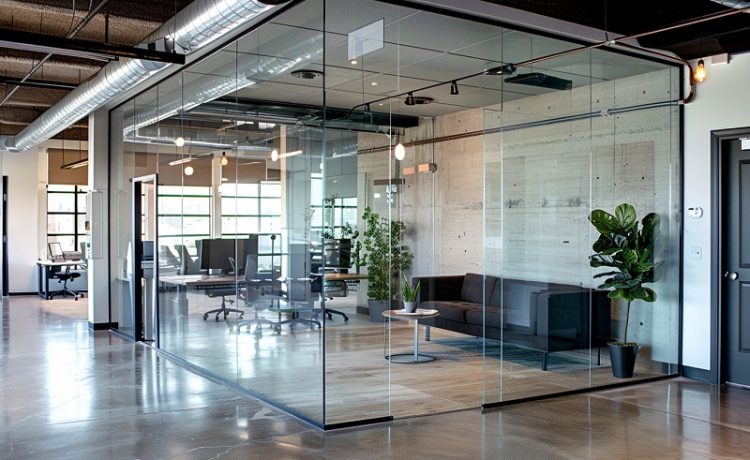
Glass barriers are the clever solution to the open-plan contradiction, retaining the open atmosphere while softly defining space. Glass walls enable natural light to fill the workstation and create a bright, energetic ambiance, unlike opaque drywall. Visual connectedness affects the workforce psychologically, not just aesthetically. The buzz of activity around employees fosters a feeling of shared purpose and belonging without requiring their direct engagement, and this continual, passive awareness of colleagues working toward a same objective creates a strong, cohesive team culture. Isolation fades. You stay linked to the workplace pulse despite a sound-dampening barrier. As you visit this site you can get all the options open there.
Making Acoustic Sanctuary and Zones
While visual connectivity is key, glass cubicles’ actual brilliance is their capacity to create functioning, acoustically regulated zones inside the open architecture. Open workplaces are most typically criticized for the undesired aural pandemonium of every phone call, discussion, and keyboard click. Glass wall systems, especially those designed for acoustics, provide quiet spaces for focused work, private conversations, and delicate talks. Individual concentrate pods, small team huddle rooms, and larger conference spaces may be created without overtly fragmenting the workplace. Employees may escape into a shielded zone for acoustic isolation and effortlessly reintegrate into collaboration spaces when finished.
Fostering Synergy and Interaction
This hybrid approach of open sightlines and divided zones actively promotes cooperation by creating a nuanced atmosphere where diverse work styles may coexist. The glass walls’ transparency promotes openness. A manager may immediately determine whether a team is in a brainstorming session or if an individual is accessible for a short query without entering their area. This “visible availability” enables spontaneous talks and relationships that seldom occur behind impenetrable barriers. In busy coworking spaces and forward-thinking corporate offices, this design allows for a natural ebb and flow, where a brief glimpse might generate a shared idea, an issue addressed on the spot, or a new initiative across departments that could never otherwise interact.
Transparent Workspace Future Blueprint
Glass walls in open-plan layouts are not only a style fad but a strategic blueprint for the future of work that wisely addresses the complicated demands of contemporary employees. It shows maturity and recognizes that actual productivity is a delicate and dynamic balance between openness and solitude. This design concept creates a flexible workspace that can accommodate anything from serious, solitary labor to dynamic, group problem-solving. Glass-walled workplaces provide a sophisticated, humanistic, and highly successful ecology where individual accomplishment and collective synergy may thrive by revealing the organization’s collaborative energy and shielding it from distractions.