

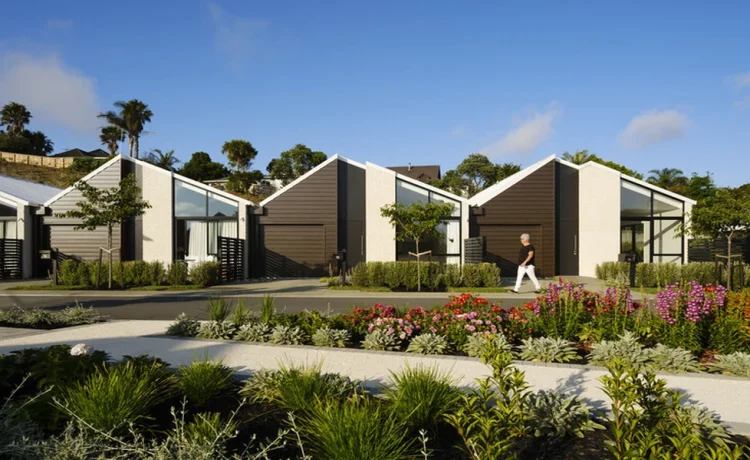
A home that delights the senses while working flawlessly for daily life is more than a luxury, it is essential for health and happiness. Nowhere is this balance of beauty and practicality more critical than in residential and seniors living spaces, where design shapes not just look, but functionality, comfort, and well-being.
What Is Functional Aesthetics and Why Does It Matter in Living Environments?
Defining Functional Aesthetics in Architecture
Functional aesthetics represents the sweet spot where visual harmony and usability meet. In architecture, this means every design choice supports an environment that is both pleasing to the eye and attuned to the needs of its users. From flowing layouts to materials that age gracefully, the goal is to create spaces that feel good and work even better.
Balancing Beauty with Practicality for Daily Living
It is not enough for a residence to look attractive at first glance. True functional aesthetics ensure that every square foot is thoughtfully arranged to support routines, accommodate mobility, and foster sensory comfort. Instead of sacrificing beauty for convenience or vice versa, skilled designers weave both into the fabric of a living space.
Impact on Residents’ Well-being and Quality of Life
Research consistently links well-designed spaces to improved mood, cognitive function, and even physical health. Natural light, accessible pathways, and inviting communal areas all add up, not just in appearance, but in tangible benefits for those who call these places home.
How Does Functional Aesthetics Differ Between Residential and Seniors Living Spaces?
Traditional family homes are shaped around flexibility and variety, often prioritizing open-plan living, privacy, and the potential for personalization. But when designing for seniors, priorities shift. Accessibility, safety, and ease of navigation move to the top of the list, sometimes requiring inventive solutions that do not compromise on style.
Designing a seniors residence often means anticipating changing needs. Grab bars can be integrated stylishly, flooring selected for slip resistance as well as visual warmth, and lighting tuned to reduce glare while enhancing ambiance.
Certain challenges push the boundaries of creative design. For example, how can a communal dining space feel vibrant but not overwhelming? How do you offer privacy in shared environments? The answer lies in flexible layouts, clever zoning, and creative use of color and texture.
What Key Elements Define Functional Aesthetic Design in These Settings?
Spatial Layout and Accessibility
A thoughtful plan makes movement effortless, whether it is a young family navigating morning chaos or an older adult using a walker. Wide corridors, flush thresholds, and intuitive room placements matter as much as visual appeal.
Material Choices and Maintenance
Elegance should not come at the cost of upkeep. Surfaces must be durable yet beautiful, easy to clean, and resistant to wear. Non-slip tiles, antimicrobial finishes, and tactile contrasts all contribute to the experience.
Lighting, Acoustics, and Sensory Comfort
Lighting does more than illuminate, it sets mood and supports health. Layered lighting minimizes harsh contrasts, and acoustic treatments reduce stress by softening noise. Both are crucial for restful, inviting environments.
Integration of Technology and Safety Features
Smart systems operate in the background, offering security and ease without visual clutter. Automated lighting, discreet emergency call devices, and accessible controls blend seamlessly with modern décor.
How Can Architects Address Aging in Place Through Functional Aesthetics?
Aging in place demands foresight. Spaces must adapt as residents’ abilities change, supporting independence and dignity at every stage. This means designing for mobility without an institutional feel. Features like roll-in showers, lever handles, and adjustable cabinetry offer flexibility with style.
Universal design principles further this mission, ensuring that environments are inherently accessible to people of all ages and abilities. The best spaces anticipate not just today’s needs, but tomorrow’s, making transitions smooth rather than disruptive.
What Role Does Community and Social Interaction Play in These Designs?
A sense of belonging shapes well-being. Successful environments offer gathering areas that foster connection, lounges, shared gardens, and multipurpose rooms. Yet privacy is protected with quiet corners and personal sanctuaries.
Spaces that welcome all generations, from grandchildren to grandparents, increase vibrancy. Designers strike a careful balance, providing places for both solitude and engagement, ensuring everyone feels at home.
How Do Montreal and Toronto Architects Approach Functional Aesthetic Integration?
Regional climate and culture influence design. In Montreal and Toronto, architects often prioritize natural light, energy efficiency, and robust weather protection. The work of Stendel + Reich architect exemplifies this balanced approach, with projects that seamlessly combine functionality and visual impact across both residential and seniors living facilities.
Recent projects demonstrate how thoughtful architecture adapts to both climate and user needs, leveraging local materials and innovative layouts to achieve lasting comfort and style.
What Are the Challenges and Future Directions for Functional Aesthetics in Housing?
Budget constraints, regulatory requirements, and the push for sustainability challenge every project. Yet these limitations spark innovation, through eco-friendly materials, modular building systems, and smart home technologies that enhance both function and form.
Architects are reimagining living spaces for evolving lifestyles and longer lifespans, responding to demographic shifts and environmental pressures. The future promises even more integration of green design and adaptive solutions.
How Can Residents and Families Advocate for Functional Aesthetic Design?
Empowered residents and families play a vital role. Asking thoughtful questions of developers, about accessibility, maintenance, and adaptability, ensures spaces will truly serve their occupants. Collaboration with architects opens the door to personalized solutions that fit unique needs, both now and as those needs change.
Ultimately, functional aesthetics is not about following trends. It is about creating enduring environments where people of all ages and abilities can thrive, surrounded by beauty that serves real life.