

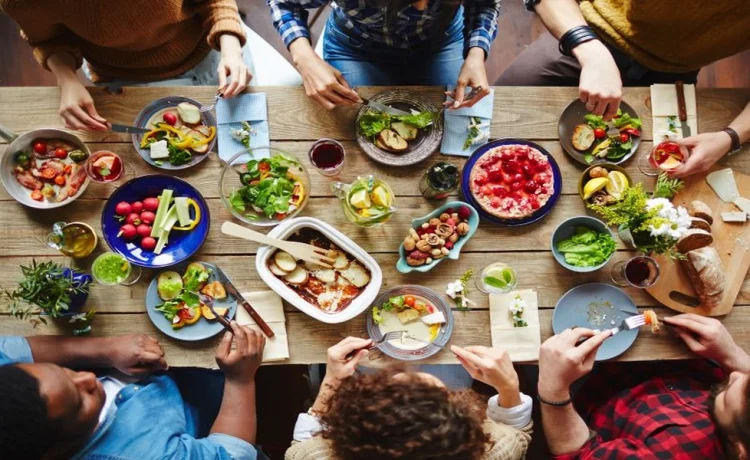
A meal can reveal local needs quickly. People gather, eat, and connect with ease. From those moments, valuable relationships often develop. Food becomes a reason for regular interaction. Trust grows through familiar faces and shared experiences. Lessons from how shared meals work malaysia highlight practical outcomes. These programs improve daily life while strengthening local ties. They also encourage cooperation, inclusion, and mutual respect.
Building Stronger Local Relationships
Shared dining creates natural opportunities for connection. Neighbors meet people they never knew before. Over time, familiar greetings become trusted relationships. A welcoming setting helps participants feel comfortable.
Someone arriving alone may leave with acquaintances. Later, those acquaintances may become close friends. As connections deepen, people exchange useful advice. They may share transport options or childcare ideas. Through repeated gatherings, social networks become stronger.
Key relationship benefits include:
- New friendships across different age groups
- Better understanding between local residents
- Greater trust during difficult situations
- Increased participation within neighborhood activities
Why Does Food Access Improve?
Food costs affect households in different ways. For some families, nutritious options feel expensive. Shared meal initiatives help ease that burden. Resources stretch further through collective preparation efforts.
Fresh produce can serve larger groups efficiently. A donated ingredient supply reaches numerous attendees. Parents gain access to balanced dishes regularly. Older adults receive meals without financial pressure. Those practical advantages improve everyday wellbeing while reducing strain.
Encouraging Active Participation
Once people feel connected, involvement often increases. Participants begin contributing time and practical skills. Some assist with preparation duties each week. Others help organize schedules or coordinate supplies.
In programs such as how shared meals work malaysia, volunteers often manage cooking tasks while local groups arrange serving activities. Shared responsibility creates a stronger sense of ownership. Because everyone contributes differently, each person adds value. That involvement helps strengthen community spirit over time.
Useful contributions may include:
- Preparing ingredients before gatherings
- Coordinating seating arrangements
- Welcoming first-time attendees
- Helping with cleanup efforts
How Does Food Encourage Cultural Exchange?
Every recipe carries cultural meaning and history. Shared tables create opportunities for cultural learning. Guests experience traditions through familiar household dishes. Personal stories often accompany those meals naturally.
A visitor might discover regional cooking methods. Another guest may explain family celebrations. Through those exchanges, respect develops more easily. Knowledge grows through direct experiences rather than assumptions. Food creates common ground between different backgrounds.
Examples include:
- Family recipes shared during gatherings
- Traditional festival dishes offered locally
- Regional flavors introduced to newcomers
Benefits That Reach Beyond Participants
The impact extends beyond those attending meals. Local groups often strengthen cooperative relationships. Businesses may donate ingredients instead of discarding them. Volunteers develop practical abilities through regular involvement.
Several positive outcomes emerge:
- Reduced waste from surplus food
- Wider networks across neighborhoods
- Greater awareness of local needs
- Increased cooperation between organizations
Those advantages help entire areas function better. Small actions often create wider positive effects.
A Simple Meal With Lasting Effects
The most valuable outcome involves human connection. A retiree may find companionship through attendance. A newcomer may gain trusted local contacts. Surplus vegetables may become nourishing meals instead of waste. Those results show something important. Shared meal programs succeed because relationships grow around practical action. When people gather around one table, stronger communities often follow.
FAQs
Who can join shared meal programs?
Most initiatives welcome diverse participants. Families, seniors, students, and newcomers often attend. Open access encourages broader social interaction.
Do these programs only address food needs?
No. They also strengthen relationships and participation. Social connection remains a valuable outcome.
Why do volunteers matter so much?
Volunteers help organize activities and maintain continuity. Their efforts keep gatherings welcoming and effective.
Can shared meals help new residents?
Yes. They provide opportunities for introductions and interaction. New residents often build local connections faster.